iOS has a feature that allows you to set up a proxy so that all the network requests from your device are forwarded to a proxy server. This is usually used on business and school networks and can also be used for hiding your IP address or accessing websites that are blocked in your region.
Configuring a proxy server on your iPhone is quite simple. All you need is the credential details of the proxy server, which will then be used to set up the proxy on your device. Here’s how you can configure and use a proxy server on your iPhone, iPad or iPod.
How to Configure and Use Proxy on iPhone or iPad
Step 1: Open the Settings app and go to WiFi.
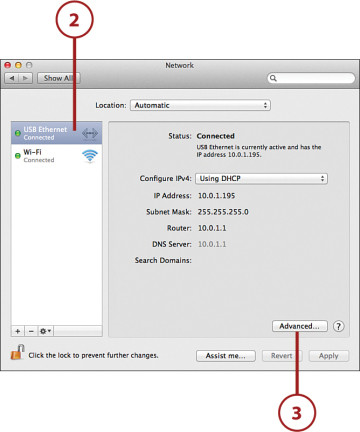
If you select Automatic Proxy Configuration, enter the address of the PAC file in the URL field. Check with your network administrator if you need more information. If you configure your proxy settings manually, do the following: Select a proxy server, such as FTP Proxy, then type its address and port number in the fields on the right. To have your Mac detect whether a proxy is necessary and automatically configure the proxy settings, enable the “Auto Proxy Discover” checkbox. Your Mac will use the Web Proxy Auto Discover protocol, or WPAD, to automatically detect whether a proxy is necessary. This setting may be used on business or school networks, for example.
Step 2: Tap the name of the WiFi network you’re connected to.
Step 3: Scroll to the bottom and you’ll find a section for HTTP Proxy. This is set to Off by default. You can either set it to ‘Auto’ for automatic proxy detection or ‘Manual’ for manually configuring the proxy settings.
- If you select ‘Auto’, a new field is shown for URL. Enter the address of the proxy auto-configuration script into the URL field.
- If you have the proxy server’s address and port, then choose ‘Manual’ and continue with the steps below.
Step 5: Enter the address of the proxy server into the ‘Server’ field and then enter the port number.
Step 6: If the server requires a username and password, turn on the Authentication toggle and enter the necessary details.
Step 7: Once you’ve entered all the details correctly, your device will now forward all the network requests to the configured proxy server. If you can access websites or the internet without getting any errors, it means that the proxy configuration is correct.
That’s all you need to do to configure and use a proxy on your iPhone or iPad. If you are unable to access the internet after enabling proxy, it means that the proxy credentials are incorrect or that the proxy server has issues.
Related Articles
- 1 Change Proxy Settings in Mozilla Firefox
- 2 Use a Proxy Server to Check Your Mail From Work
- 3 Wrap Text in Microsoft Excel 2003
- 4 Enable a Computer Printer Port
A proxy server acts as the middleman between a user’s computer and the Internet, allowing the administrator to control and filter what content is allowed through. To set up proxies for your small business, either set up a Proxy Auto-Configuration server or provide your employees with a PAC file, both of which automatically configure proxy server data on workstations. Alternately, distribute proxy server data to your employees and have them configure the proxies manually.
Set Up a Proxy Server
1.Launch Safari, click the “Safari” menu and click “Preferences.”
2.Click the “Advanced” tab at the top of the Preferences window.
3.Click the “Change Settings” button next to the “Proxies” entry.
4.Select the “Automatic Proxy Configuration” option in the “Select a proxy server to configure” pane.
5.Enter the URL of the PAC server in the URL input box. If you were provided a PAC file instead, click the “Choose File” button, select the PAC file and click “Open.”
6.Click the “Apply Now” button in the lower right corner of the window.
Manual Setup
1.Launch Safari, click the “Safari” menu and click “Preferences.”
2.Click the “Advanced” tab at the top of the window.
 3.
3.Click the “Change Settings” button next to the “Proxies” entry.
4.Select the type of proxy server you wish to configure in the left pane.
5.Enter the proxy server URL in the boxes provided. If your proxy server requires you to log in, check the “Proxy server requires password” option and enter the login information in the provided boxes.
6.Repeat Steps 4 to 5 for each proxy server you wish to configure.
7.Click the “Apply Now” button in the lower right corner of the window.
Remove Proxy Server
1.Launch Safari, click the “Safari” menu and click “Preferences.”
2.Click the “Advanced” tab, then click the “Change Settings” button next to the “Proxies” entry.
3.Uncheck the proxy server or PAC server you wish to stop using in the left pane.
4.Click the “Apply Now” button in the lower right corner of the Preferences window.
References (2)
About the Author
Jacob Michael has been a freelance writer since 2010, with expertise in computers, cooking, travel and other topics. He holds a bachelor's degree in English from the University of Hawaii at Manoa and is pursuing a master's degree in American studies.
Cite this Article